
The FISHMIX project covers three territories within the AURA region, the Dombes region, Isère and the Forez plain. Supported by ISARA, it aims to answer three central questions linked to maintaining fish farming production in pond landscapes in the AURA region.
The project began in January 2023 and will run until the end of 2025.
Funder: this project is financed by the Auvergne-Rhône-Alpes Region
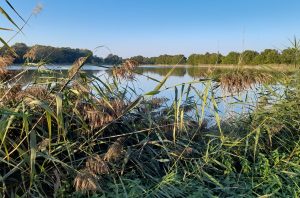
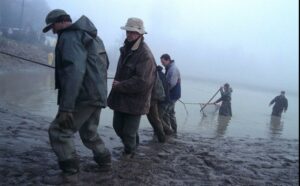
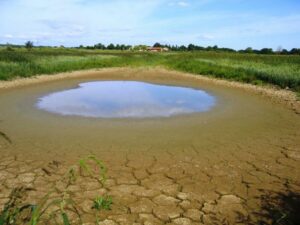
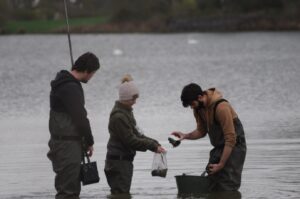
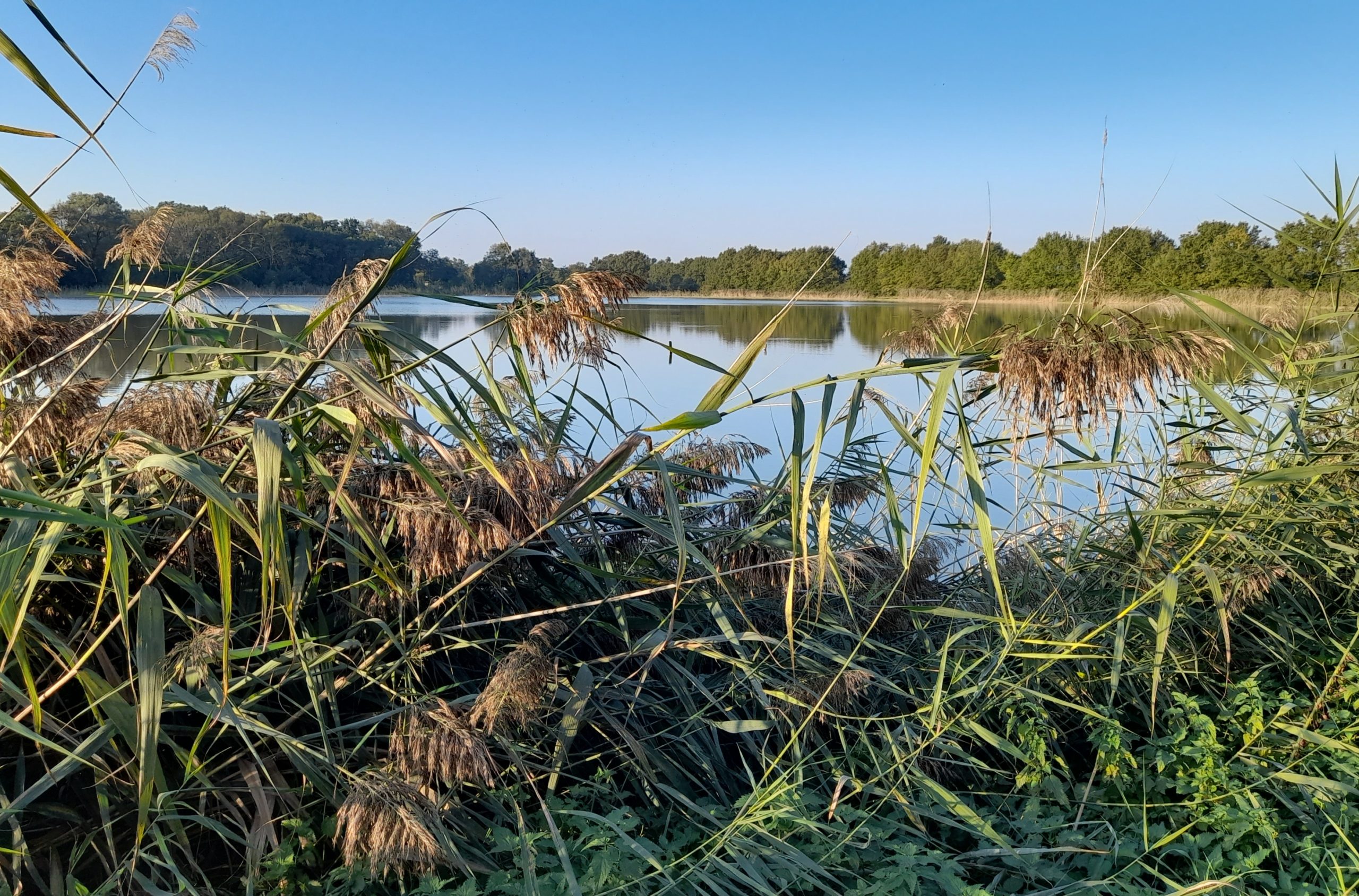
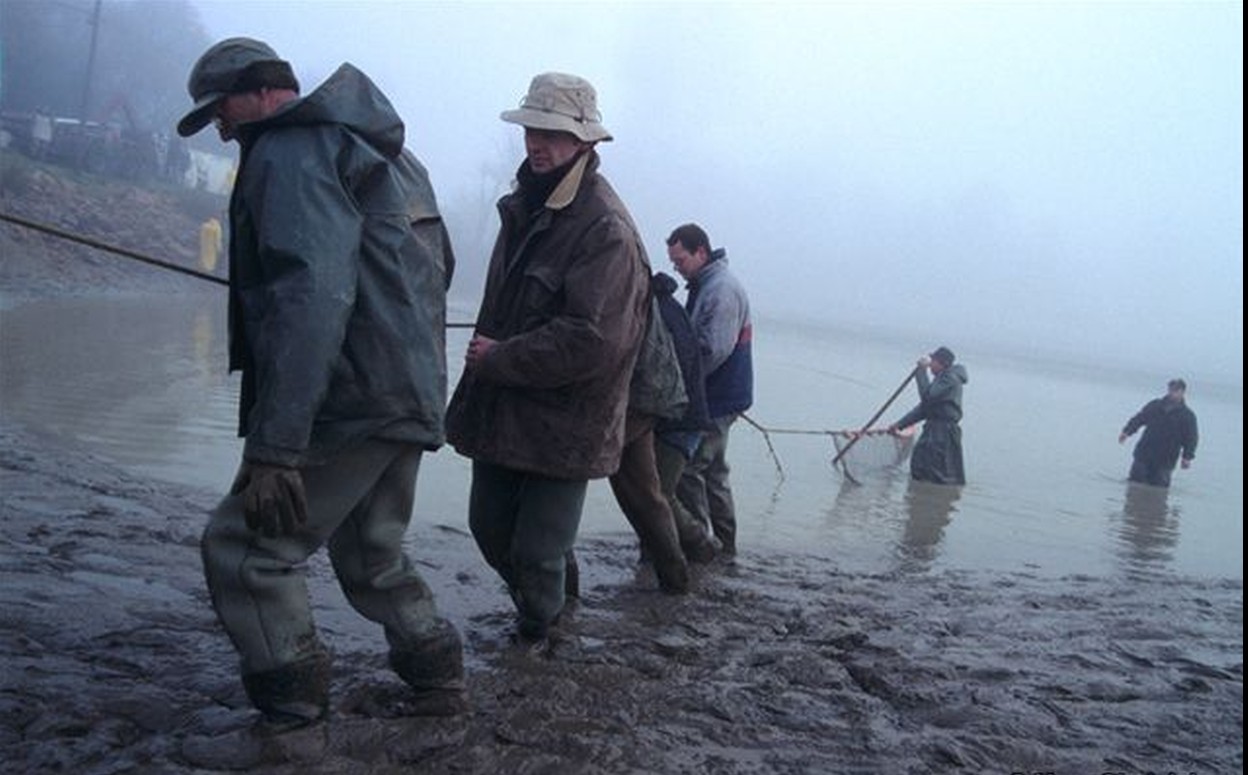

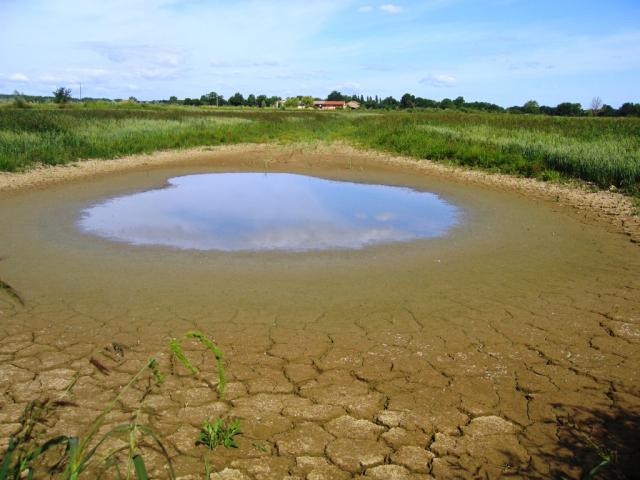
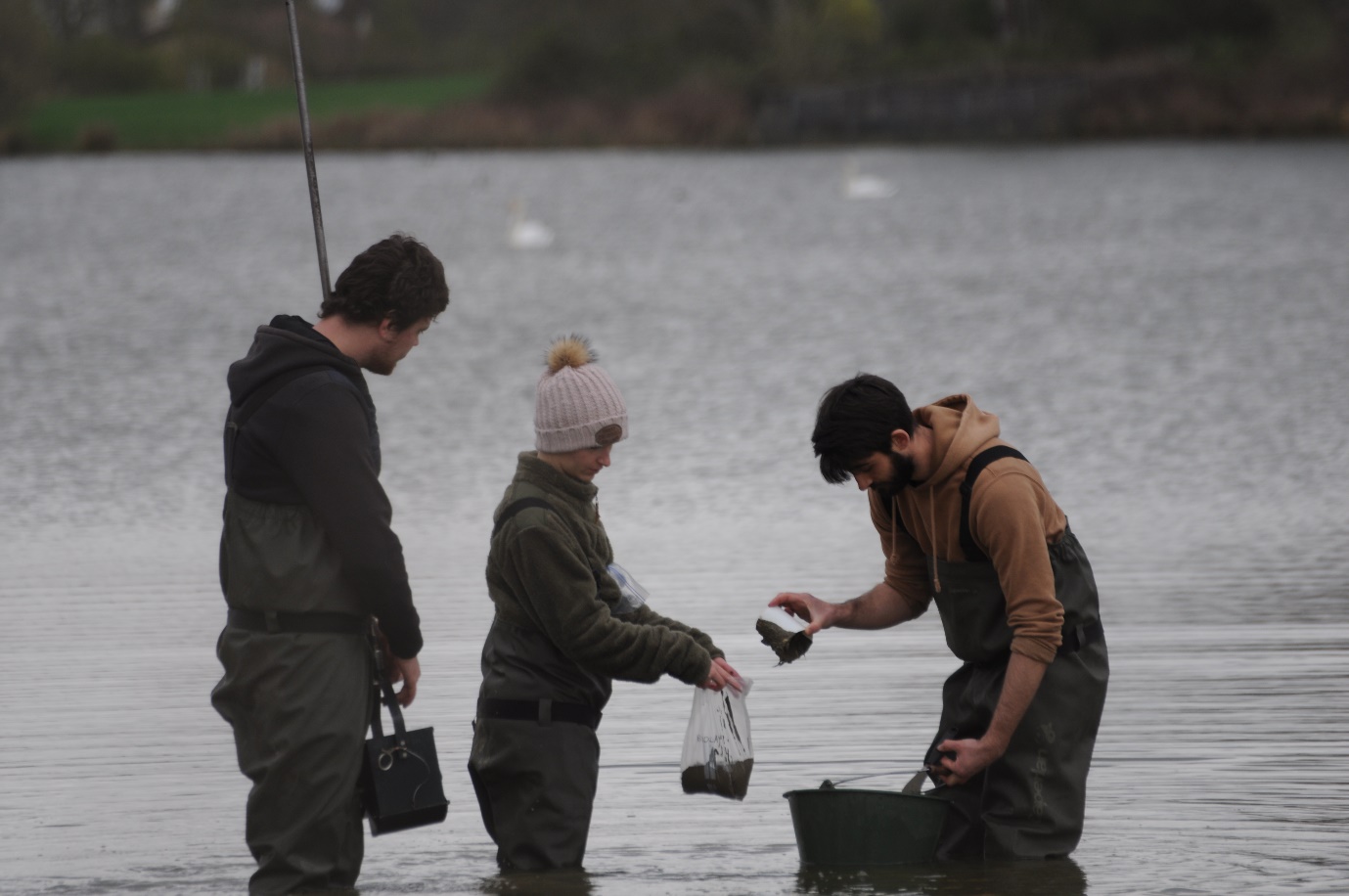
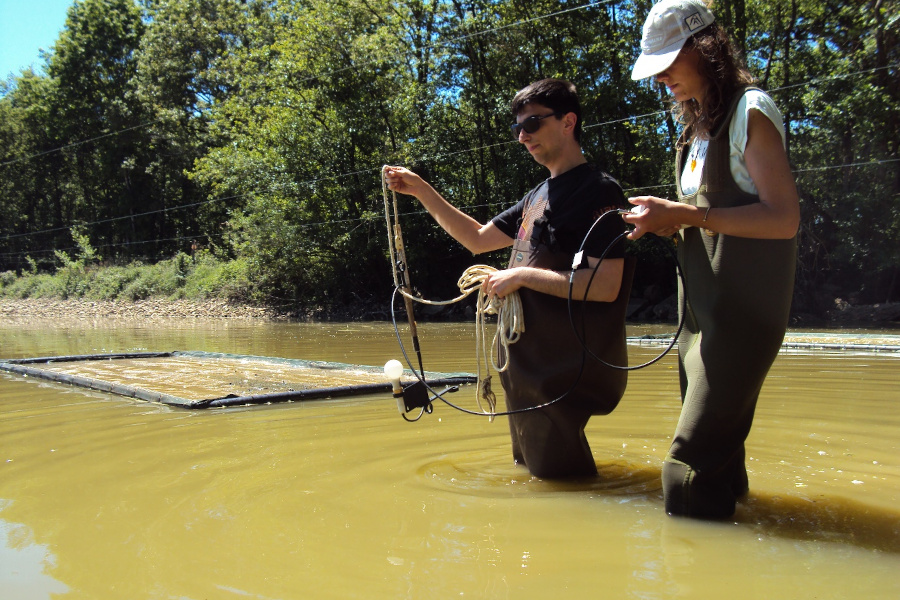
Ponds and associated landscapes provide various ecosystem services, such as aquaculture biomass production and biodiversity conservation. The biological productivity of the pond is the main resource for the realization of these services. In pond fish farming, this productivity can represent up to 70% of the fish biomass produced during an annual rearing cycle. Certain fish farming practices, such as liming (the addition of lime to lower the pH of ponds and encourage the production of zooplankton), corrective fertilization and drying-out the pond every 4 to 5 years, can optimize this productivity. However, fish stocking at the beginning of the season may not always be adapted to the biological potential of the pond, either quantitatively (fish density) or qualitatively (fish species used). In addition, pond fish farming must adapt to the context of climate change, which is set to intensify rapidly in the AURA region.
The FISHMIX project, supported by ISARA, aims to answer three central questions linked to maintaining fish farming production in pond landscapes in the AURA region:
- What will be the precise effects of climate change on ponds in our region?
- How can we adapt pond fish stocking to the fact that certain species produced are (or will be) no longer really adapted to environmental conditions (pike, Esox lucius and pike-perch, Sander lucioperca, in particular) and that other, rustic species may be substituted/added to the stocked species mix?
- How can fish stocking be adapted (in quality and quantity) to the pond’s productivity potential and to the risks incurred during the summer season?
Answering these questions is seen as a major challenge for the local production, and will also enable us to monitor hydrological balances and the evolution of available water volumes, at the scale of the pond and the chain of ponds.
In more detailed terms, the project has four main objectives:
- Define species assemblages resistant to the impacts of climate change
- Better adapt the rearing strategy to the biological productivity of the pond
- Ensure sufficient income for the fish farmer
- Conserve established biodiversity
Materials and methods
The work is organized around five complementary actions:
- Mise en place d’outils de suivi long terme dans les zones étudiées
This stage consists of installing continuous measuring devices (for oxygen, temperature and water level) on 20 experimental ponds. Meteorological stations will also be set up in the various regions concerned, according to the territorial grid. These tools will provide precise information on spatio-temporal variations in the physical parameters that best characterize the impacts of climate change.
- Experimentation with new fish assemblages in ponds
The aim here is to define species assemblages and stocking densities by species, based on scientific knowledge (compatibility of associated species, level of theoretical biological production of ponds). These scenarios will be applied directly to producers involved in the project for three years, and on at least 3 ponds per year (minimum 9 repetitions of the same scenario)
- Monitoring the natural productivity and biodiversity of experimental ponds
The various ponds involved in the stocking scenarios will be monitored at hydrological, physico-chemical, biological and sedimentary levels.
- Analyse of results
Using the data collected, a comparative analysis of the different scenarios will be carried out, taking into account three aspects: zootechnical, economic and ecological. The convergence of these three types of balance according to the scenarios applied will also be studied.
- Communication and transfer to professional and technical partners
Key Results
The expected results of the FISHMIX project are:
- A better understanding of the functioning of ponds in a new context of environmental pressures linked to climate change:
- Knowledge of intra-seasonal and multi-annual variations in water level, water temperature and oxygen concentration in water, in the region’s ponds.
- Definition of a typology of ponds in the AURA region according to their biological productivity, taking into account climatic disturbances.
- Construction and validation of new fish stocking and species assemblage options:
- Propose a range of fish stocking strategies incorporating expected changes in climatic conditions, including the definition of assemblages adapted to different levels of pond management and productivity,
- Validate assemblages through experimentation on a large number of ponds (experimental plan based on 20 fish ponds per year over 3 years). This validation will be based on criteria linked to zootechnics, the economic balance of the fish farming activity, and the balance concerning biological productivity and biodiversity associated with the ponds studied.
- Drying-out is a period during which a pond has no more water (Bernard Bachasson – 2012). Drying-out can be either natural, due to the water cycle in ponds, or artificial (drying-out to harvest fish or a management dry-out).
- Rearing refers to the stocking or repopulation of fish with fry or adults, by man, for fishing or fish farming.
- The Dombes region is a plateau of glacial origin in the Ain department, and was an uncultivated wetland. In the Middle Ages, local monastic communities initiated the construction of ponds to make the land arable, and used these ponds to produce a new protein for the inhabitants: fish. Today, there are some 1,200 ponds (11,000 hectares of water) connected in chains, with still significant local production of fish such as carp (Cyprinus carpio), roach (Rutilus rutilus), rudd (Scardinius erythrophthalmus), pike and tench (Tinca tinca). Production is around 1,000 tonnes a year, with the maintenance of customs and traditions concerning water rights and pond management practices. With climate change intensifying, the area is subject to a number of constraints that could ultimately jeopardize fish farming: lack of water, physical conditions unfavorable to certain species. The aim is therefore to work on the points that will make this production system more resilient.
project team
Joël Robin (project coordinator), Soraya Rouifed, Mathieu Guérin, Léo Girard, Benoit Sarrazin, Sylvie Prestoz, Alexander Wezel.
Partners
APPED (Association pour la Promotion du Poisson d’Étang de Dombes), ADAPRA (Association pour le Développement de l’Aquaculture et de la Pêche en Auvergne-Rhône-Alpes), UR AFPA Université de Nancy, UMR SAS INRAE Rennes, ITAVI Rouen
Resources and publications
Aubin Joël, Robin Joël, Wezel Alexander, Thomas Marielle. Agroecological Management in Fish Pond Systems. 2017. https://isara.hal.science/hal-03672954v1
Wezel Alexander. Agroecological practices for sustainable agriculture: principles, applications, and making the transition, World Scientific, pp.355-394, 2017, 978-1-78634-305-5