Making Agroecology Visible: The Case of Extremadura
Agroecology is existing in many countries in Europe but not yet visible or recognized as such. A place where it increasingly becomes visible is the Extremadura region in western Spain, this is the conclusion of Alexander Wezel, Director of Research at ISARA, France, after visiting CICYTEX, Plascencia and the University of Extremadura, Spain, and several field visits in the region and discussion with different stakeholders.
Local Initiatives Driving Agroecology in Extremadura
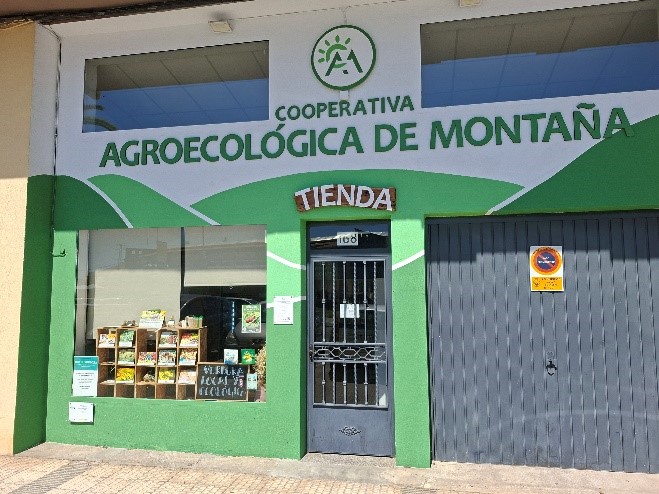
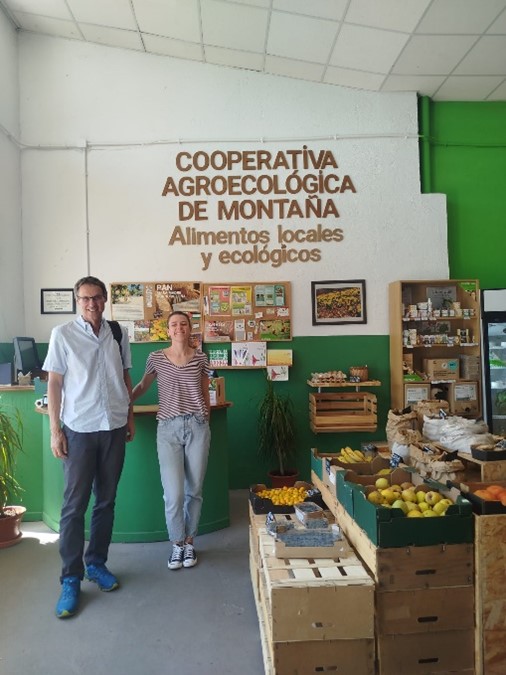
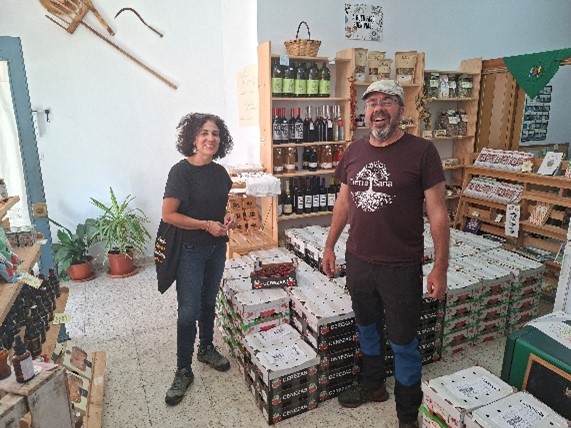
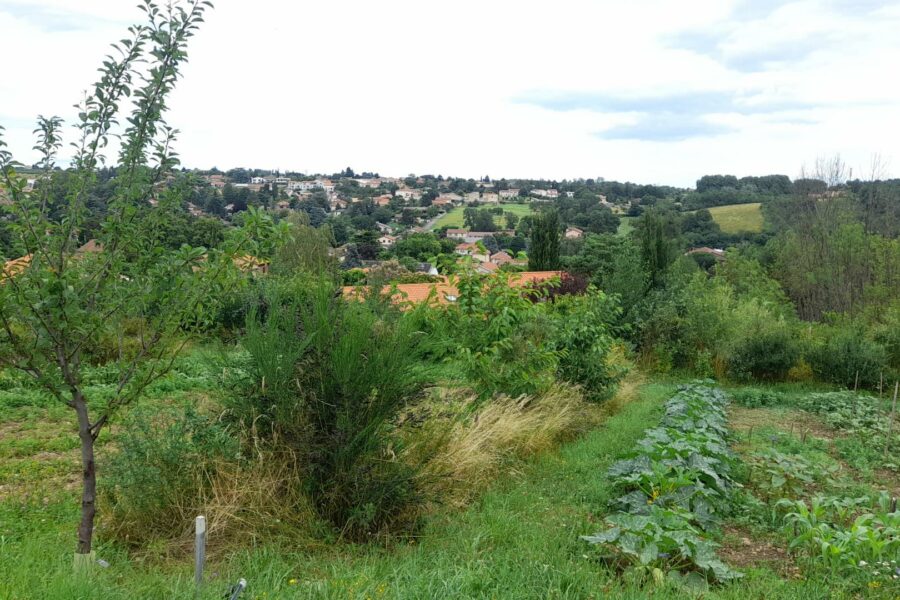
Some examples of visible agroecology in Extremadura, in the region of the Jerte and la Vera valleys, are
– the diversified agroecological farm of Elena,
– the Mountain Agroecological Cooperative (Cooperative Agroecológica de Montaña) and their shop titled agroecological,
– the EcoJerte shop from an organic cooperative, some food products from the region, including cherries, beers made with oak acorns and chestnut, pepper (pimentón de la Vera), and local cheeses),
– and finally the famous Dehesa system, which covers hundreds of km2 using agroecological practices which are traditional for this system.
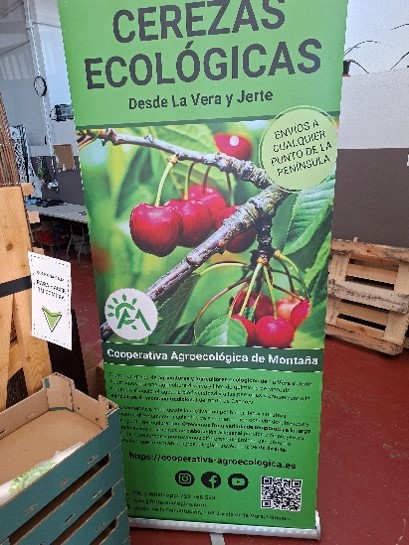
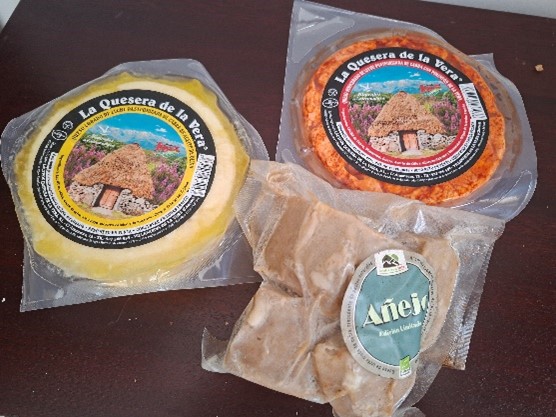
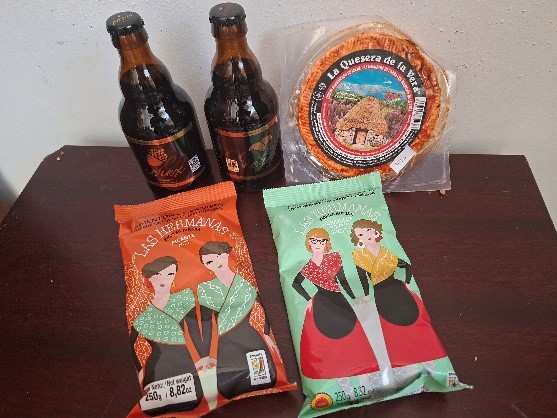
Moreover, an important territorial food project is advanced by a local association, La Vera nos Alimenta, which is also a living lab and integrated in the European Agroecology partnership project ALL-Facts.
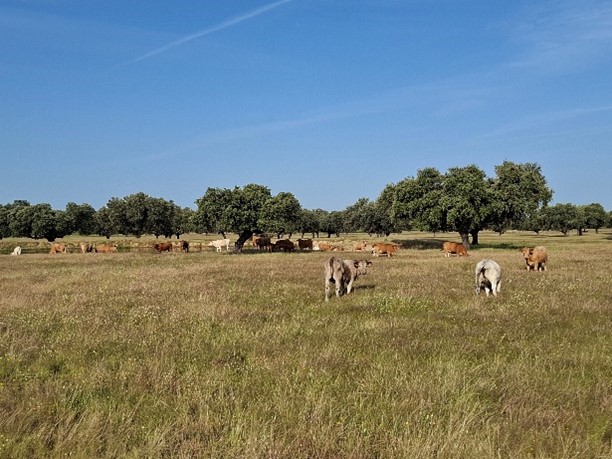
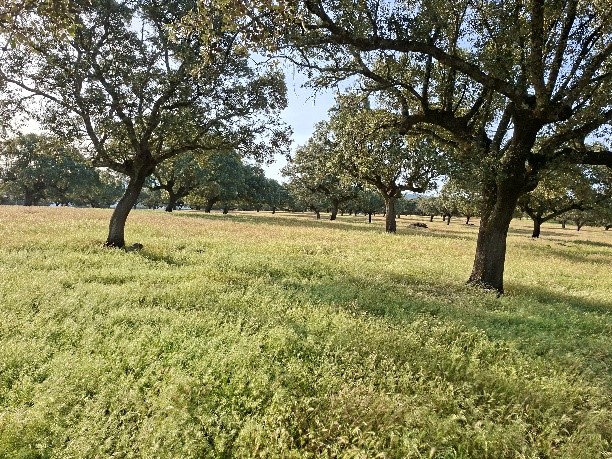
Importance of collaboration and regional networking to strengthen the agroecological transition in Extremadura and across Europe.
Collaboration with other organizations and individuals who are promoting agroecology in Europe, such as Alexander Wezel, is key to sharing experiences and realizing that we face many similar challenges in advancing the agroecological transition. Extremadura is a vast region home to numerous initiatives—some of which go unnoticed—that are serving as a catalyst for advancing the regional coordination of the agroecological movement.
Statement of Maria Ramos Garcia, researcher at CICYTEX and president of the scientific association ALIMENTTA